- Home
- Yooper Counties
- Delta County Michigan
DELTA COUNTY, MICHIGAN
by Suzy Miller, August 17, 2026
Population: 36,903 (3rd)
Pop. Density: 31.54 people/sq. mile (4th)
Land Area: 1,170 sq. miles (6th)
Water Area: 822 sq. miles (8th)
County Seat: Escanaba
Towns: Bark River, Cornell, Escanaba, Garden, Gladstone, Perkins, Rapid River, Rock, Wells, Nahma
 Delta County Map
Rand McNally, 1911
Delta County has a mix of sandy beaches, dense forests, and open farmland, where Little Bay de Noc meets the broader waters of Lake Michigan.
This southern Upper Peninsula corner has a classic Yooper feel: practical, water-oriented, and rooted in the land’s natural gifts. Daily life is still shaped by the rhythm of the bay and the woods.
Delta County Formation & Naming
The Michigan Legislature authorized Delta County on March 9, 1843, as part of the early division of the Upper Peninsula. It was formally organized in 1861.
The name comes from the Greek letter delta (Δ) because the original boundaries formed a broad triangle.
The triangle included present-day Delta County and portions of what later became Menominee, Dickinson, Iron, and Marquette counties, giving the new county its distinctive shape and name.
Delta County Seat & Population
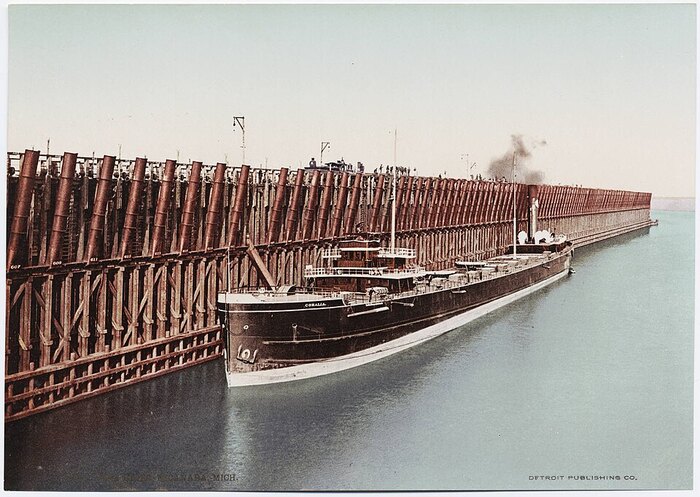
The county seat is Escanaba, a harbor city that grew as a shipping center for lumber and iron ore. It still anchors the region with its waterfront and community spirit.
As of the 2020 census the population of Delta County was 36,903. The county has a largely rural character with a slightly declining or stable population spread across forests, farms, and shoreline communities.
History of Delta County
Ojibwe, Menominee, and other Anishinaabe peoples lived for centuries along the bays and rivers, fishing, hunting, and traveling the waterways of what became known as the Bay de Noc region.
French missionaries and fur traders noted Native villages near the head of Little Bay de Noc as early as the mid-1600s. Permanent European settlement began in the 1830s when traders and mill operators arrived.
The first water-powered sawmill appeared on the Escanaba River in the mid-1830s, followed by steam mills on the Ford and other rivers.
Lumber became the driving economic force, and vast white pine stands fed mills at Flat Rock, Masonville, Nahma, and along the shores.


In 1861 the county was organized, with the seat first at Masonville before moving to Escanaba a few years later. Escanaba itself took shape in the 1860s as a port and railroad hub.
When iron ore began moving from inland ranges, the city earned a reputation as a major shipping point. The Bay de Noquet Lumber Company and others built company towns and extensive operations.
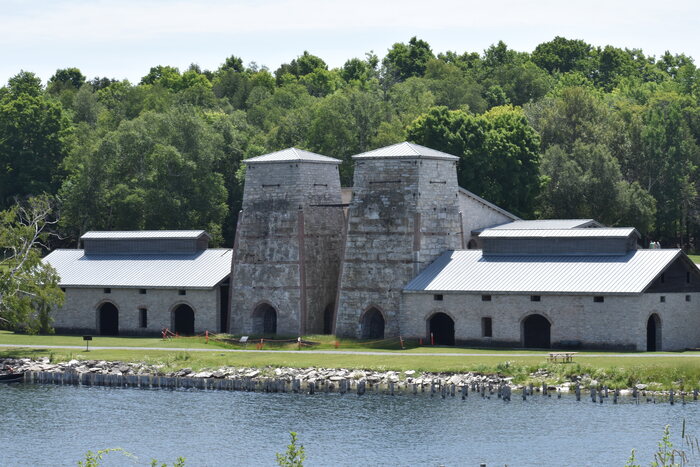
Later, the historic iron-smelting community of Fayette rose and fell on the Garden Peninsula. By the early twentieth century the great pine stands had been largely cut, but forests, recreation, and smaller industries continued to sustain the area.
The landscape of bays, peninsulas, and second-growth woods remains a living record of both Indigenous presence and the lumber era that followed.
Delta County - Cities, Towns & Communities
Escanaba is the largest city and county seat, known for its ore docks, lighthouse, and role as a regional center. Nearby Gladstone along the bay has a quieter lakeside character.
Smaller communities and unincorporated places include Rapid River, Bark River, Wells, Garden, and Nahma. On the Garden Peninsula, the preserved iron-smelting townsite of Fayette stands as a striking reminder of the county’s industrial past.
Its stone buildings and harbor still tell the story of a once-busy company town. The long shoreline of Little Bay de Noc and the quiet reaches of the Garden Peninsula are lasting local treasures.
Interactive Map of Delta County
We send out a free newsletter now and then to keep you up to date on our website. Just put in your email and check the boxes below.
By Mike Miller, Copyright 2020-2026 YooperSecrets.com