- Home
- Yooper Counties
- Houghton County Michigan
HOUGHTON COUNTY, MICHIGAN
by Suzy Miller, August 13, 2026
Population: 37,361 (2nd)
Pop. Density: 36.92 people/sq. mile (1st)
Land Area: 1,012 sq. miles (10th)
Water Area: 490 sq. miles (10th)
County Seat: Houghton
Towns: Atlantic Mine, Calumet, Chassell, Dollar Bay, Hancock, Houghton, Hubbell, Lake Linden, Laurium, Nisula, Painesdale, Sidnaw, South Range, Toivola
 Houghton County Map
Rand McNally, 1911
Houghton County is in the western Upper Peninsula, primarily on the Keweenaw Peninsula (also known as Copper Country), along Lake Superior. The county seat and largest city is Houghton.
Steep hills rise above the water, and Finnish and Cornish influences linger in the streets. The county serves as the region’s largest center of economic activity with a vibrant academic presence.
Houghton County Formation & Naming
Houghton County’s boundaries were defined on March 19, 1845, from parts of Marquette, Schoolcraft, and Ontonagon Counties. It was fully organized the following year.
The county was named for Douglass Houghton (1809–1845), Michigan’s first state geologist, physician, and former mayor of Detroit.
His 1840 survey of the Keweenaw Peninsula and the 1841 report that followed confirmed rich native copper deposits and helped launch America’s first major mineral boom.
Originally the county included the future lands of Keweenaw and Baraga Counties.
Houghton County Seat & Population
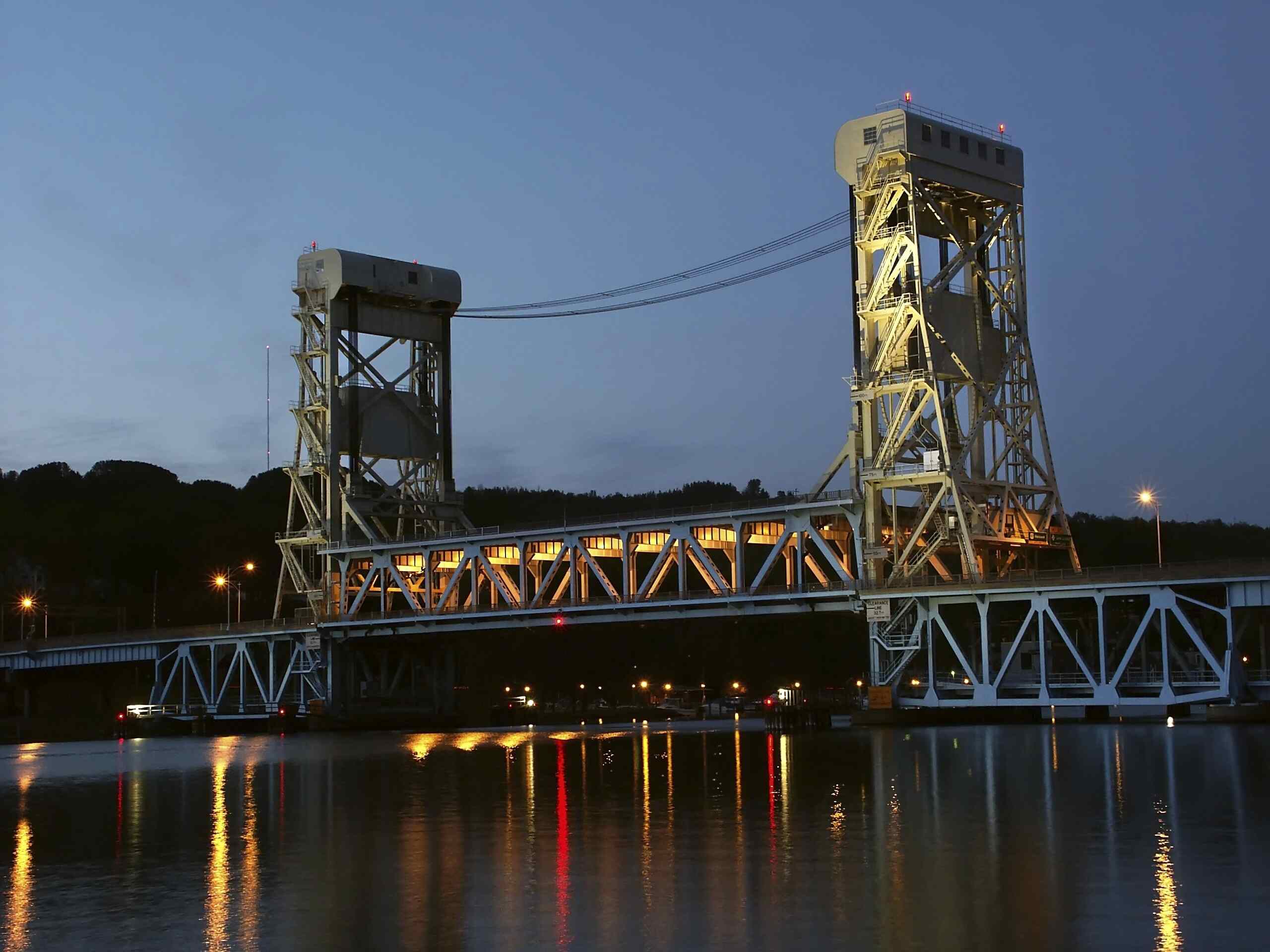
The city of Houghton is the county seat and largest community. It’s on the south shore of Portage Lake, linked by bridge to Hancock across the water.
The 2020 U.S. Census recorded 37,361 residents, making it the second most populous county in the UP. Despite this relative density, the area retains a distinct character where community ties run deep, and the landscape remains largely wild and forested.
History of Houghton County
For around a thousand years, these lands were home to Algonquian-speaking tribes, including the Ojibwe and Menominee. They mined pure native copper from the region’s surface.
Douglass Houghton’s survey confirmed the scale of the deposits and drew prospectors in the 1840s. The resulting copper boom transformed the wilderness into an industrial powerhouse.
Immigrants from Cornwall, Finland, Ireland, Germany, and elsewhere poured in to work the deep shafts, bringing specialized hard-rock mining skills suited to the challenging terrain.
Entrepreneurs like Ransom B. Shelden Sr. established trading centers that quickly grew into bustling towns. By the 1870s, Houghton County mines produced the bulk of Michigan’s copper output.
In 1874 the state supplied 88% of the nation’s copper, with Houghton County accounting for most of that total.
Companies such as Calumet and Hecla and the Quincy Mining Company dominated production and built company towns, schools, churches, and grand homes. The population soared, peaking at more than 88,000 in 1910.
As richer veins grew harder to reach and global markets shifted, the industry declined through the early twentieth century. Most mines closed by the 1960s.
The Michigan College of Mines, founded in 1885 to train engineers for the industry, evolved into Michigan Technological University and remains a central economic and cultural force.
The county’s diverse ethnic heritage continues to shape its character.
)

Houghton County Cities, Towns & Communities
Houghton and Hancock form the twin cities of the county, facing each other across Portage Lake and connected by the Portage Lake Lift Bridge.
Calumet and nearby Laurium once ranked among the Copper Country’s busiest centers and still hold impressive historic downtowns and mining-era architecture.
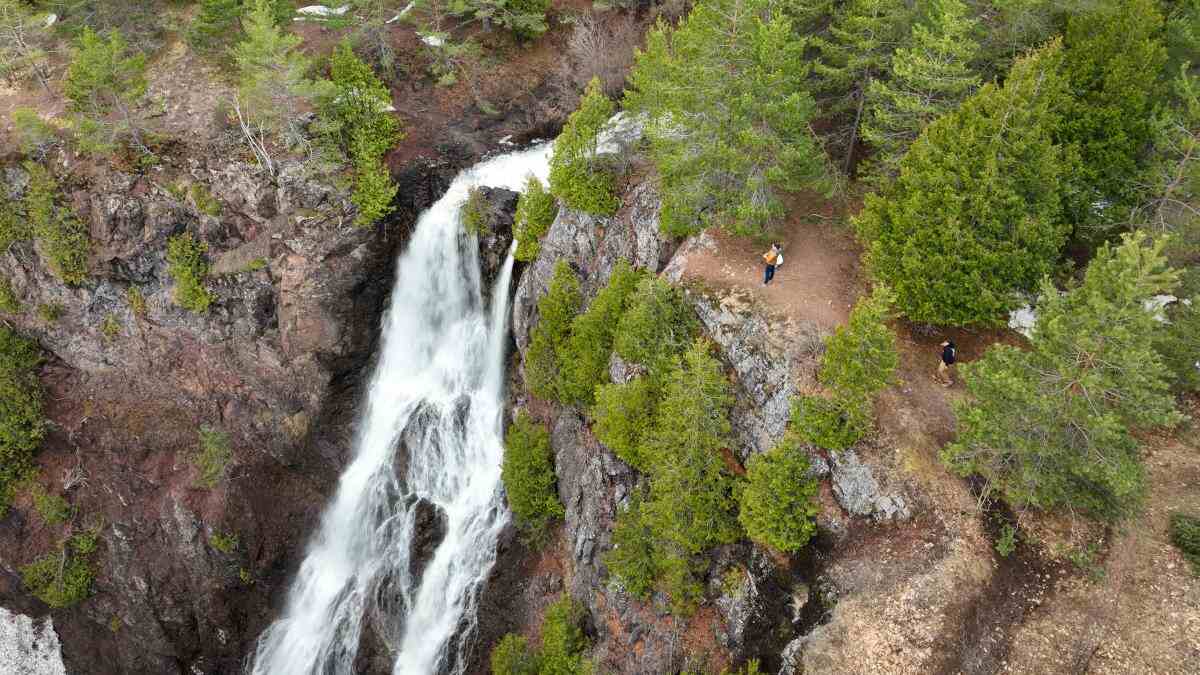
Smaller communities like Chassell, South Range, and Lake Linden add to the mix. The spectacular Douglass Houghton Falls are the tallest in Michigan.
The northern third of the county, often called Copper Island, holds the largest population cluster, while the southern inland sections remain deeply forested and serene.
One quiet Yooper detail is the lasting Cornish and Finnish influence: pasties, saunas, and strong community halls remain everyday features of local life.
Interactive Map of Houghton County
We send out a free newsletter now and then to keep you up to date on our website. Just put in your email and check the boxes below.
By Mike Miller, Copyright 2020-2026 YooperSecrets.com