IRON MOUNTAIN, MICHIGAN
WHERE IS IRON MOUNTAIN, MICHIGAN?
Iron Mountain is in the southwestern part of Michigan’s Upper Peninsula, only a few miles from the Wisconsin border. It is the county seat of Dickinson County and one of the principal communities of the southern U.P.
The city sits along US-2 and US-141, important highways connecting the western Upper Peninsula with Wisconsin and the rest of Michigan. The Menominee River, which forms part of the Michigan-Wisconsin boundary, flows several miles south and west of the city before eventually reaching Green Bay and Lake Michigan.
According to the U.S. Census Bureau, Iron Mountain had an estimated population of 7,469 in 2025, compared with 7,518 residents counted in the 2020 Census.
IRON MOUNTAIN, MICHIGAN HISTORY
Before iron miners arrived, the region was part of the homeland of Native American peoples, particularly the Menominee.
The Menominee Indian Tribe describes its ancestral territory as encompassing more than 10 million acres in what is now Wisconsin and Michigan’s Upper Peninsula, with a history in the region extending thousands of years.
European-American settlement around present-day Iron Mountain came relatively late because of its remote, heavily forested location.
That changed when rich deposits of iron ore were discovered.
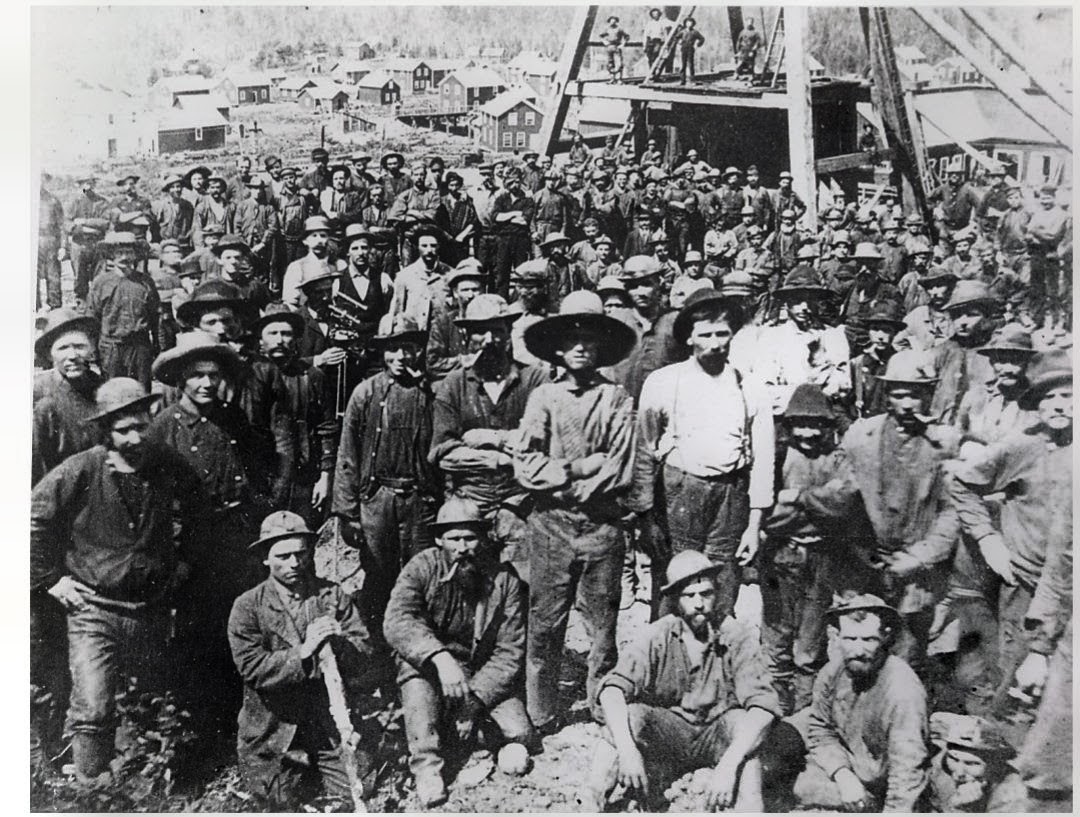 Miners outside Chapin Mine in Iron Mountain, MI, 1880
Courtesy of William John Cummings, Menominee Range Historical Museum
In 1879, Henry A. Chapin began exploration on land he owned, leading to development of the famous Chapin Mine. The first major shipments of ore left the mine in 1880, totaling 34,556 tons that year.
Iron Mountain was platted in December 1879 by Samuel M. Stephenson, Isaac Stephenson, and Joseph Flesheim. Miners and other workers poured into the new settlement, and its population grew rapidly.
Mining attracted immigrants from Europe and created supporting businesses, railroads, stores, hotels, and neighborhoods.
Lumbering was also important to the regional economy. The Chapin eventually became one of the Upper Peninsula's great iron mines, helping establish Iron Mountain as the commercial center of the area.
IRON MOUNTAIN, MICHIGAN TODAY
Today, Iron Mountain serves as a regional shopping, medical, business, and government center for Dickinson County and nearby northeastern Wisconsin.
Its mining days remain visible in landmarks such as the enormous Cornish Pumping Engine associated with the Chapin Mine.
Downtown Iron Mountain has retained a traditional small-city atmosphere while developing a good collection of locally owned businesses.
The Downtown Development Authority lists more than 200 businesses and organizations in its district, including specialty shops, boutiques, cafés, bakeries, bars, and restaurants.
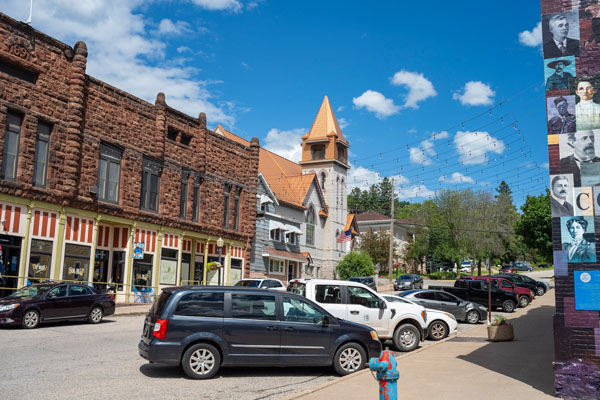


Visitors looking for shopping will find independent stores and specialty retailers rather than a large gallery or antique district.
Dining is one of downtown's strengths, with choices ranging from coffee shops and bakeries to Italian, Mexican, Thai, pizza, pubs, and traditional Upper Peninsula fare.
A favorite Yooper Secret is the Millie Mine Bat Cave in Iron Mountain. This abandoned vertical mine shaft now houses one of the largest hibernating bat colonies in North America. Up to one million bats call this site home.
Iron Mountain combines its rugged mining heritage with the conveniences of a modern regional center, making it an interesting stop for travelers exploring the southern Upper Peninsula.
IRON MOUNTAIN, MICHIGAN THINGS TO DO,
PLACES TO STAY, AND PLACES TO EAT
TRIPADVISOR ALL ABOUT IRON MOUNTAIN, MICHIGAN
IRON MOUNTAIN, MICHIGAN INTERACTIVE MAP
We send out a free newsletter now and then to keep you up to date on our website. Just put in your email and check the boxes below.
By Mike Miller, Copyright 2020-2026 YooperSecrets.com