- Home
- Yooper Counties
- Schoolcraft County Michigan
SCHOOLCRAFT COUNTY, MICHIGAN
by Lee Miller, August 22, 2026
Population: 8,047 (12th)
Pop. Density: 6.83 people/sq. mile (12th)
Land Area: 1,178 sq. miles (4th)
Water Area: 706 sq. miles (9th)
County Seat: Manistique
Towns: Manistique, Seney, Germfask
 Schoolcraft County Map
Rand McNally, 1911
Schoolcraft County sits where the Manistique River empties into Lake Michigan and the forests expand for miles.
It's very rural, rich in water resources, and largely self-contained within its borders. Its southern border is Lake Michigan.
Schoolcraft County Formation & Naming
The county was created on March 9, 1843, carved out of parts of Chippewa and Mackinac counties. It wasn't formally organized until March 23, 1871.
It's named for Henry Rowe Schoolcraft, an explorer, geographer, and ethnologist. He traveled the region with Lewis Cass's 1820 expedition.
Schoolcraft went on to study and document Native American cultures extensively, and later helped suggest names for many of Michigan's counties, leaving his own stamp on this stretch of the U.P.
Schoolcraft County Seat & Population
Manistique is the county seat and largest city, sitting where the Manistique River meets Lake Michigan.
As of the 2020 Census, the county's population was 8,047, making it one of Michigan's least populous counties.
The land reflects this sparse population ratio: wide open, lightly settled, and heavily rural.
History of Schoolcraft County
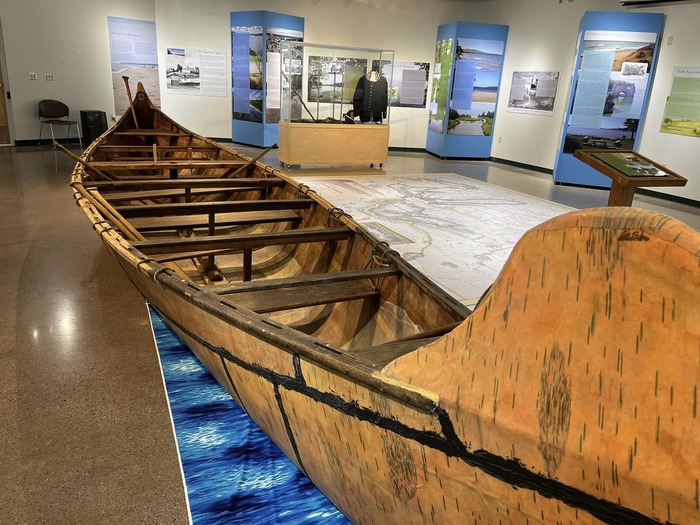
The region was originally inhabited by Paleoindian and Archaic-period peoples, with archaeological evidence tracing human presence back thousands of years.
Later, Anishinaabe communities, such as the Ojibwe, lived in the area. The Sault Tribe of Chippewa Indians still holds land in Manistique Township today.
When the county organized in 1871, timber quickly became its economic backbone. Bountiful forests of pine and hardwood drew loggers.
The arrival of railroads in the late 1800s and early 1900s made it possible to move lumber efficiently.
This development fueled rapid growth in Manistique and the surrounding communities. The county's economy diversified as the logging boom faded, shifting toward tourism, recreation, and smaller-scale industry.
Much of the western county now falls within the Hiawatha National Forest, a legacy of that same timber being set aside for conservation.
Today, Schoolcraft County still honors its logging heritage while embracing the natural vistas, inland lakes, and outdoor recreation that draw visitors north each year.


Schoolcraft County - Cities, Towns & Communities
Manistique anchors the county, with its harbor, historic downtown, and river mouth opening into Lake Michigan.
Smaller communities like Germfask, Gulliver, Cooks, and Seney round out the county's map, each tucked among forests and wetlands.
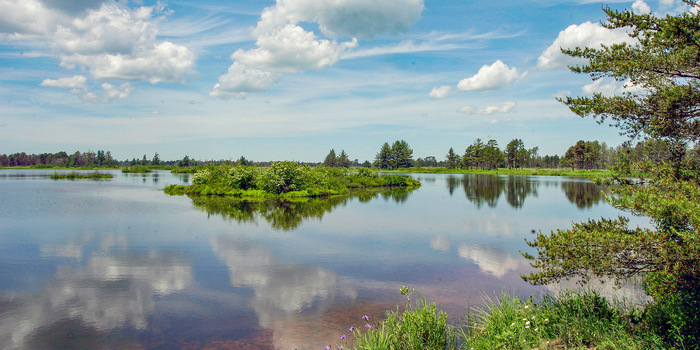
Seney borders the Seney National Wildlife Refuge, a sprawling wetland sanctuary cherished by birders and anglers.
It's the kind of county where the towns are small, the water is close, and the wildwoods envelope all residents.
Interactive Map of Schoolcraft County, Michigan
We send out a free newsletter now and then to keep you up to date on our website. Just put in your email and check the boxes below.
By Mike Miller, Copyright 2020-2026 YooperSecrets.com