- Home
- Yooper Counties
- Keweenaw County Michigan
KEWEENAW COUNTY, MICHIGAN
by Suzy Miller, August 12, 2026
Population: 2,046 (15th)
Pop. Density: 3.78 people/sq. mile (15th)
Land Area: 541 sq. miles (15th)
Water Area: 5,425 sq. miles (1st)
County Seat: Eagle River
Towns: Copper Harbor, Eagle Harbor, Mohawk, Allouez
 Keweenaw County Map
Rand McNally, 1911
Keweenaw County sits like a jagged thumb at the tip of Michigan’s Upper Peninsula, where Lake Superior meets a landscape shaped by ice and copper.
The County includes Isle Royale and the northeastern Keweenaw Peninsula, with Lake Superior waters between them extending to borders with Ontario and Minnesota.
It’s the only Michigan county linked to Minnesota by ferry, from Grand Portage to Windigo and Rock Harbor on Isle Royale.
Keweenaw County Formation & Naming
Keweenaw County was organized by the Michigan Legislature on March 11, 1861, from the northern tip of Houghton County during the mining boom.
Its name comes from the Ojibwe word Kee-wun-au, meaning “the crossing place” or “land crossing between two bodies of water.”
Native travelers used this shortcut for centuries to avoid Lake Superior’s stormy tip. Mainland access runs only through Houghton County.
Keweenaw has the highest proportion of water to total area of any U.S. county. Scenic byways and water routes have long shaped its economy and identity.
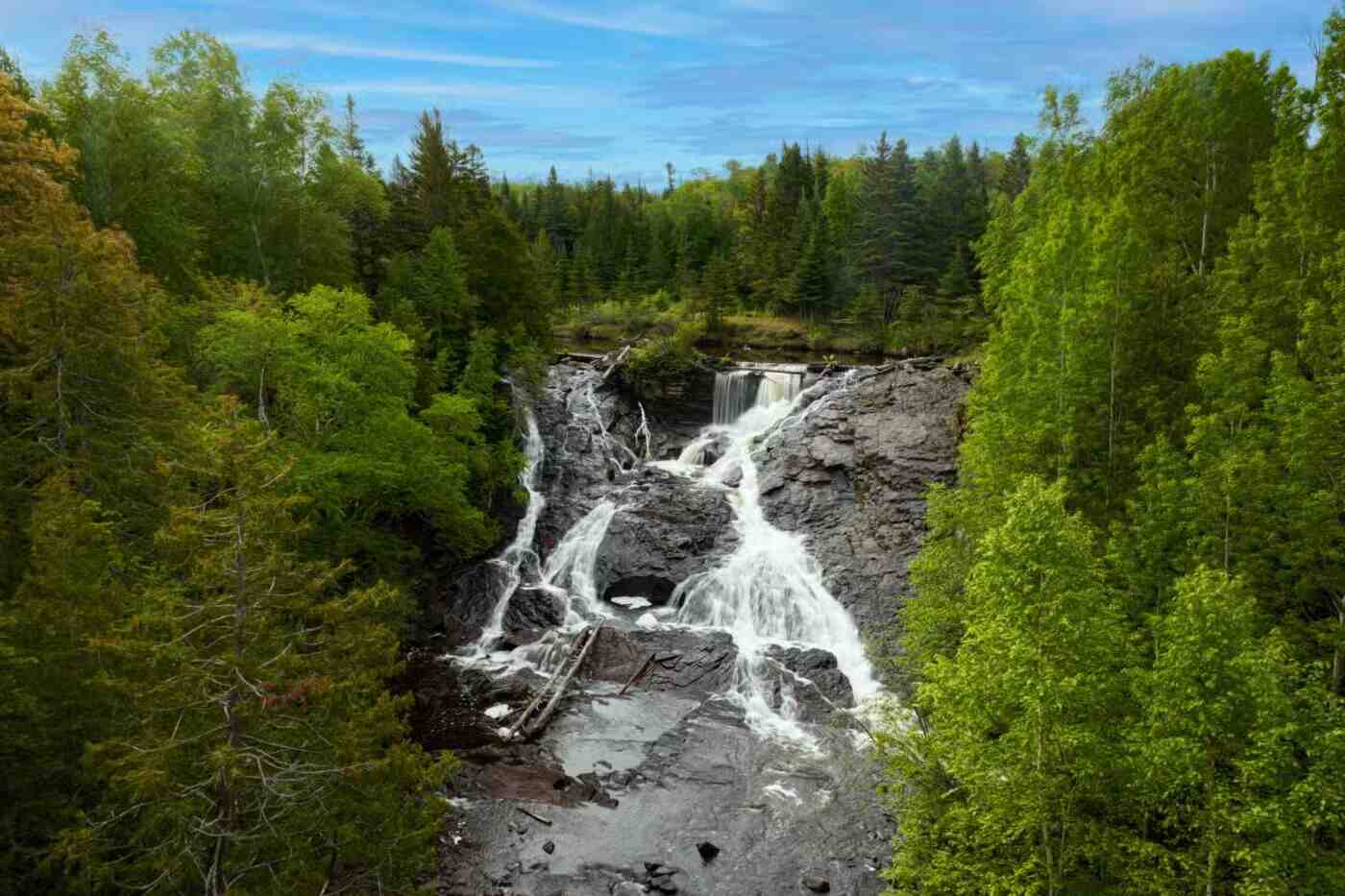
Keweenaw County Seat & Population
Eagle River is the county seat. It has a picturesque waterfall and a timber-frame courthouse built in 1866.
The 2020 U.S. Census recorded 2,046 residents. The sparse, rural population follows a quiet lifestyle that shifts with the northern seasons.
History of Keweenaw County
Keweenaw’s story centers on pure copper. Indigenous peoples mined surface deposits for centuries, leaving shallow pits behind.
In the 1840s, Copper Fever struck, preceding California’s Gold Rush. Large veins drew miners, engineers, and entrepreneurs from Cornwall, Ireland, Finland, Germany, and beyond.
Boomtowns rose quickly. Mines such as Cliff and Central produced millions of pounds of copper. The region became the world’s leading copper producer.
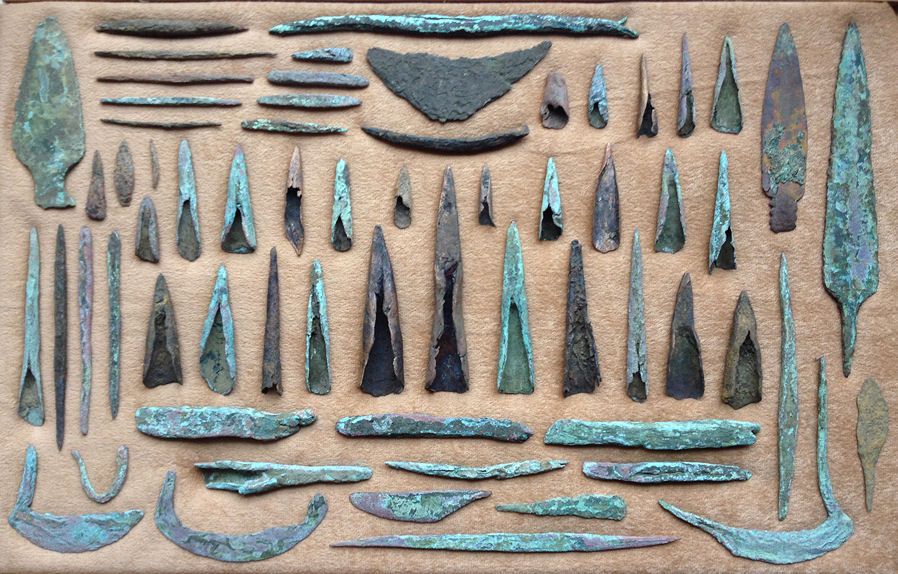


Companies including Quincy Mining and Calumet and Hecla built homes, schools, saloons, and churches that blended international traditions.
Through the early 20th century, veins became too deep to extract without great expense and danger, and markets changed. Mines closed, most by the 1960s. Population fell as workers left, leaving ghost towns and silent mills.
The copper legacy endures in Keweenaw National Historical Park, which protects rock ruins and shafts across the landscape.
Keweenaw County Cities, Towns & Communities
Main centers include Eagle River and the unincorporated community of Mohawk. Ahmeek is the county’s only incorporated village.
Eagle Harbor sits along M-26 with a historic lighthouse that still guides ships. At the end of US-41, Copper Harbor draws outdoor visitors and offers access to Brockway Mountain Drive, a ridge with wide forest views.
Nearby, the ruins of Central Ghost Town recall families who left after the copper market collapsed.
KEWEENAW COUNTY INTERACTIVE GOOGLE MAP
We send out a free newsletter now and then to keep you up to date on our website. Just put in your email and check the boxes below.
By Mike Miller, Copyright 2020-2026 YooperSecrets.com